Things You Need To Know About Braces
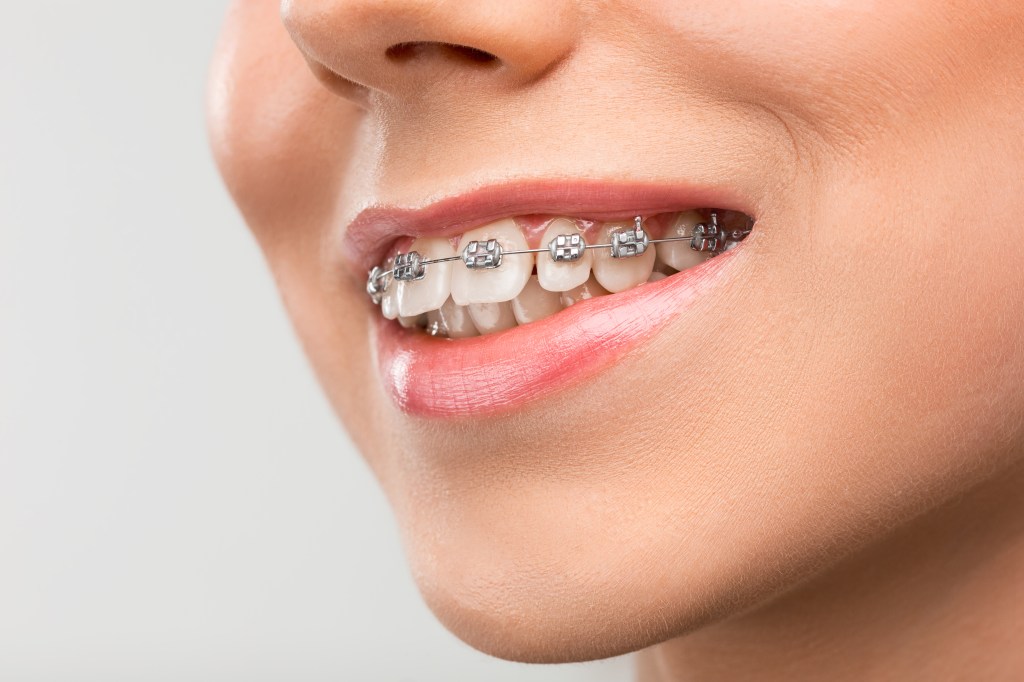
Problems that braces aim at treating are bad bites and malocclusion. In some cases, you may have straight teeth, but your upper and lower teeth do not meet properly. These problems happen due to various reasons, including an injury, early tooth loss, or thumb sucking.
Your doctor will recommend braces or another orthodontic treatment if you have an abnormal bite and you want to straighten your teeth. By straightening your teeth, not only will you get an aesthetically perfect smile, but you can also ensure good oral health. Not correcting a misaligned bite, on the other hand, can have some serious consequences, which may include the following.
- Tooth decay
- Periodontal disease
- Affected chewing and speech
- Tooth loss
- Tooth enamel wearing off
- Problems with your jaws.
There are different ways you can get your misaligned teeth straightened. Your dentist will ask your preferences regarding this matter. The dental team will also tell you about the options they have. If you opt for traditional braces, keep in mind that it is going to put pressure on your teeth to move their positions. This procedure involves the application of small brackets on the fronts of your teeth. The orthodontist then passes a wire through these brackets in order to connect them to form a series. The orthodontic team will tighten this wire periodically to change the position of your teeth. The brackets can be metal or tooth-colored. You can also discuss the option to have braces placed behind your teeth. If you do not have a severe misalignment, you may ask your dentist to give you removable aligners.
You can get orthodontic treatment from your dentist or orthodontist. An orthodontist is a dentist who specializes in diagnosing, preventing, and treating irregularities in dental and facial structures. An experienced orthodontist will be able to treat your problem quite expertly.
Abnormal bites become more noticeable between the ages of six and twelve. That is why dentists advise people to get orthodontic treatment between the age of 8 and 14. Getting treatment in the early years can help the patient get optimal results. It doesn’t mean that there are chances of treatment failure in adults. They may, however, have to have braces for an extended duration.
What treatment place is right for you will depend on your situation. In most cases, braces remain on teeth for a duration between one and three years. Some get braces for a few months. After the dentist takes braces off, the patient has to wear a retainer that prevents newly aligned teeth from shifting back. You can discuss these procedures with your dentist.
While you have braces, make sure that you have a balanced and healthy diet. You will have to remain on top of your oral hygiene too. Brushing and flossing your teeth may become a bit hard due to the presence of braces. However, it shouldn’t be the reason for your quit taking care of your dental hygiene. You can learn about how to take care of your teeth from your dentist. You can also discuss your diet options.
 Orthodontic Revolution